Music, silence, and nature.
If you are thirsty for good music and good-quality silence, you are in the right place.
The first seventy
I am looking for the first seventy people who want to help me begin. Right now, their support helps us produce violin masterclasses and educational materials, hold small gatherings, start a volunteer ensemble, and pay for the professional planning the future Temple will need.
One day, a formal capital campaign may offer opportunities to dedicate halls, rooms, gardens, paths, and parts of the campus. Those terms do not exist yet. Patreon membership does not purchase or reserve a naming right. For now, let’s build the T.O.M.A.S. dome together, one movement at a time.
Where the project stands
Today, the Temple is a program and an early architectural brief. We have not selected the land, and no building has been designed or approved. The next work is governance, feasibility, land, ecology, acoustics, cost, and long-term care.
I think of the work in four movements: foundation and land; architecture and permitting; the Temple and core campus; then the preserve and full program. Early planning places the complete campus at roughly $50–80 million, excluding an endowment: $10–15 million for land and infrastructure, $25–40 million for the hall and core campus, and $15–25 million for the preserve, retreats, and amenities. This is a concept-stage range, not a bid or a promise. The site and professional studies will change it.
An architecture of listening
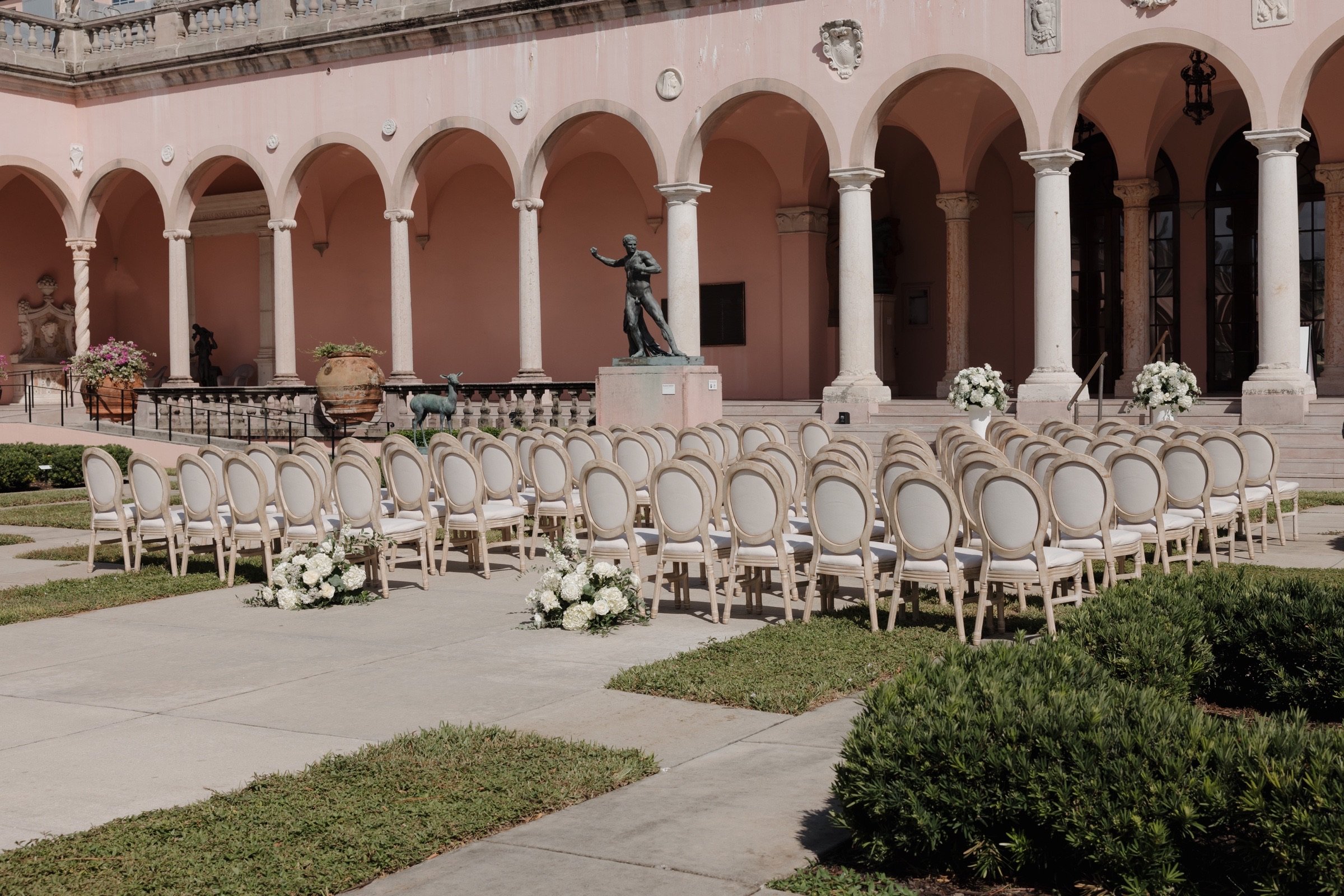
I want the hall to serve sound first. The current vision is a circular, 1,200-seat room—intimate enough to hear the breath before a phrase, and generous enough to welcome a full community. Light, water, trees, and sky should remain present throughout.
The Temple will not tell people what to believe. I simply want it to make room for each person’s quiet, intimate connection with the Spirit.
The land is not decoration around the building. I imagine more than fifty acres held as sanctuary, with quiet paths, gardens, outdoor stages, retreat rooms, water, trees, and enough darkness to see the stars. At the lower level, a circular restaurant may look into a broad koi garden. The final form will be worked out slowly with architects, acousticians, ecologists, accessibility specialists, and the community.
Life at the Temple may move between free community days, Founders gatherings, concerts, residencies, festivals, masterclasses, yoga and meditation retreats, youth programs, and a volunteer orchestra. Visiting artists and teachers will be paid for the time and travel their work requires. Volunteers will be able to grow projects in their own communities, while a small staff keeps scheduling and administration steady. When an event is suited to it, local sponsors, makers, and vendors may join with their own tables and presentations.